


We strive to help our patients feel comfortable and achieve their goals.
Regain functionality and movement.
SportsMed providing the highest quality of care in your home
Our Therapy addresses dysfunction in the pelvic floor
Non-invasive treatment that reduces pain and disability
A versatile treatment that is very common in Chinese medicine.
Vestibular therapy, also called Vestibular Rehabilitation Therapy (VRT), is a specialized exercise-based program that eases vertigo, dizziness, and balance disorders by retraining the brain to process signals from the inner ear alongside vision and proprioception. At SportsMed Physical Therapy, we treat conditions like BPPV, Meniere’s Disease, post-concussion syndrome, and Acoustic Neuromas, and we provide neurological rehabilitation for strength, nerve damage, and sciatica across New Jersey and Connecticut. Many patients also benefit from the NASA-developed AlterG Anti-Gravity Treadmill for safe gait training. At SportsMed, we work one-on-one with every patient to help them get back to their desired lifestyle.
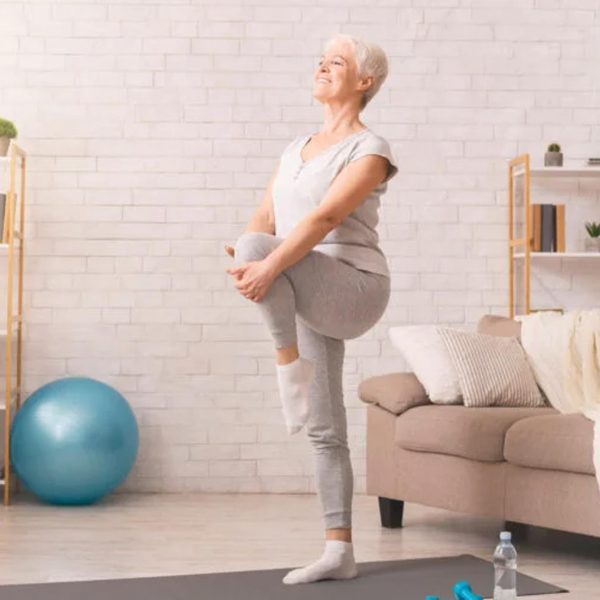
Vestibular Rehabilitation Therapy is a specialized exercise-based program that seeks to alleviate the effects of inner ear deficits by promoting compensation within the central nervous system. This therapeutic approach is useful for a range of vestibular issues like Benign Paroxysmal Positional Vertigo (BPPV), balance disorders, inner ear disorders, post-concussion syndrome, Meniere’s Disease, and Acoustic Neuromas. The central premise of VRT revolves around retraining the brain to effectively process and coordinate signals from the vestibular system with visual and proprioceptive information.
In vestibular therapy, patients are first evaluated by qualified physical or occupational therapists. The evaluation process begins with a comprehensive review of the patient’s medical history. Therapists also observe and measure various parameters like posture, balance, gait, and compensatory strategies. Depending on the patient’s symptoms, eye-head coordination tests could also be incorporated into the evaluation. These tests determine how efficiently a person’s eyes can track moving objects with or without head movement.
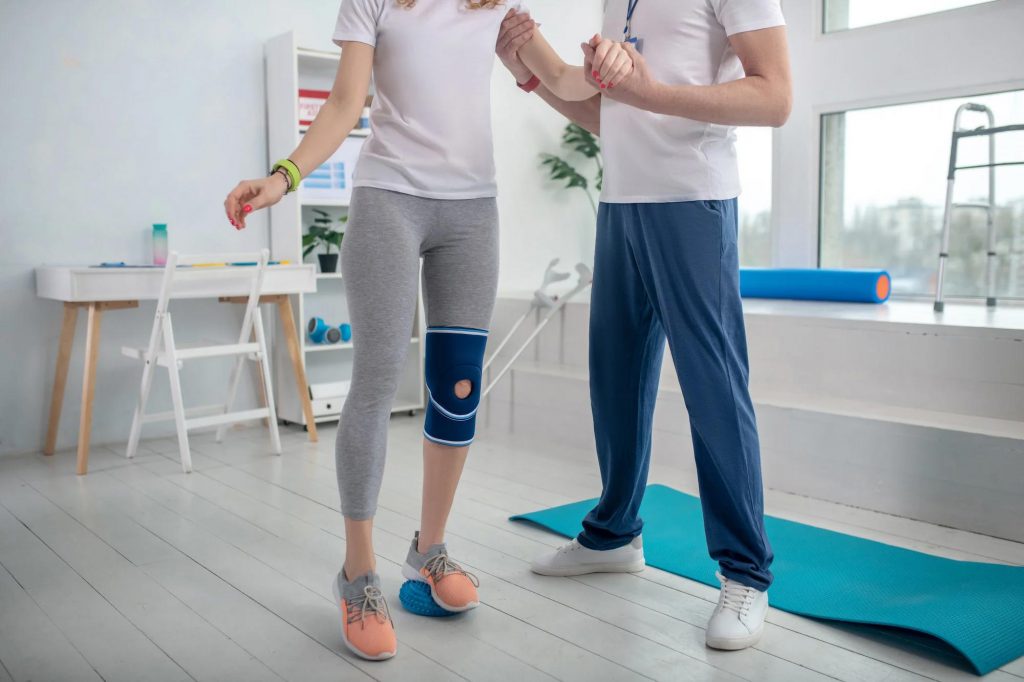
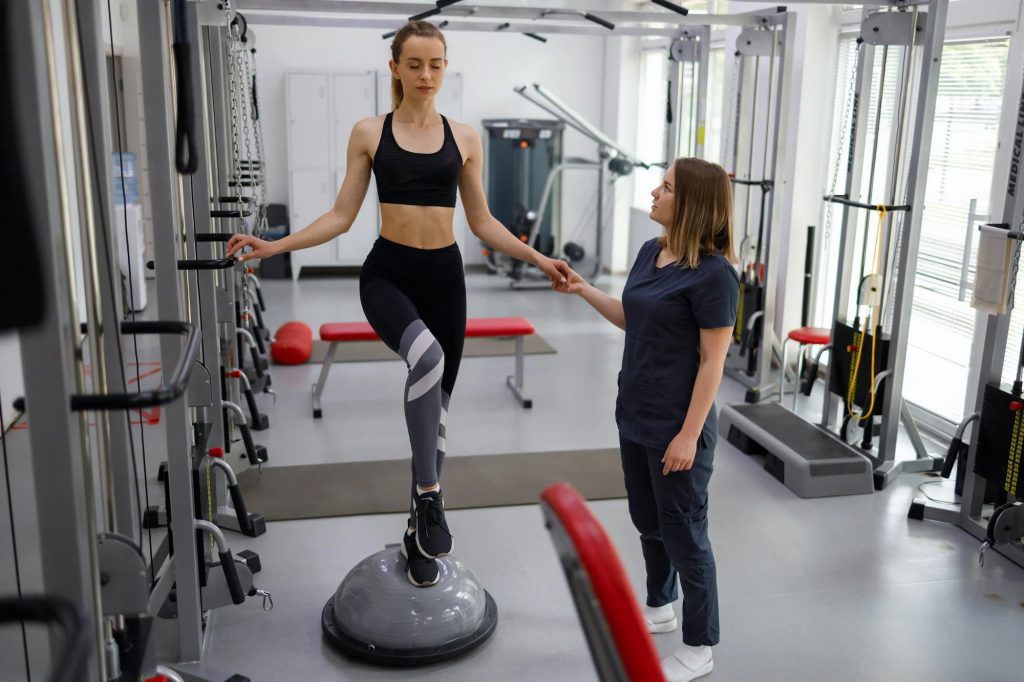
Further into the evaluation, therapists may also use specific assessments such as questionnaires to gauge the frequency and severity of the patient’s symptoms and the associated lifestyle changes. This comprehensive approach provides a clear understanding of the patient’s condition and is critical to formulating an effective treatment plan tailored to the individual’s needs.
Following the assessment, therapists develop a personalized treatment plan for the patient. The plan includes targeted head, body, and eye exercises that can be carried out both during therapy sessions and at home. These exercises are specifically designed to help manage and alleviate the patient’s symptoms, thus improving their overall quality of life.
The overarching goal of vestibular therapy is to desensitize the patient’s balance system to movements that provoke symptoms, while simultaneously promoting increased activity and exercise at home. The latter is especially beneficial in strengthening muscles and further aids in improving balance and coordination. Over time, this dedicated therapy can greatly enhance a patient’s day-to-day functionality and lifestyle.
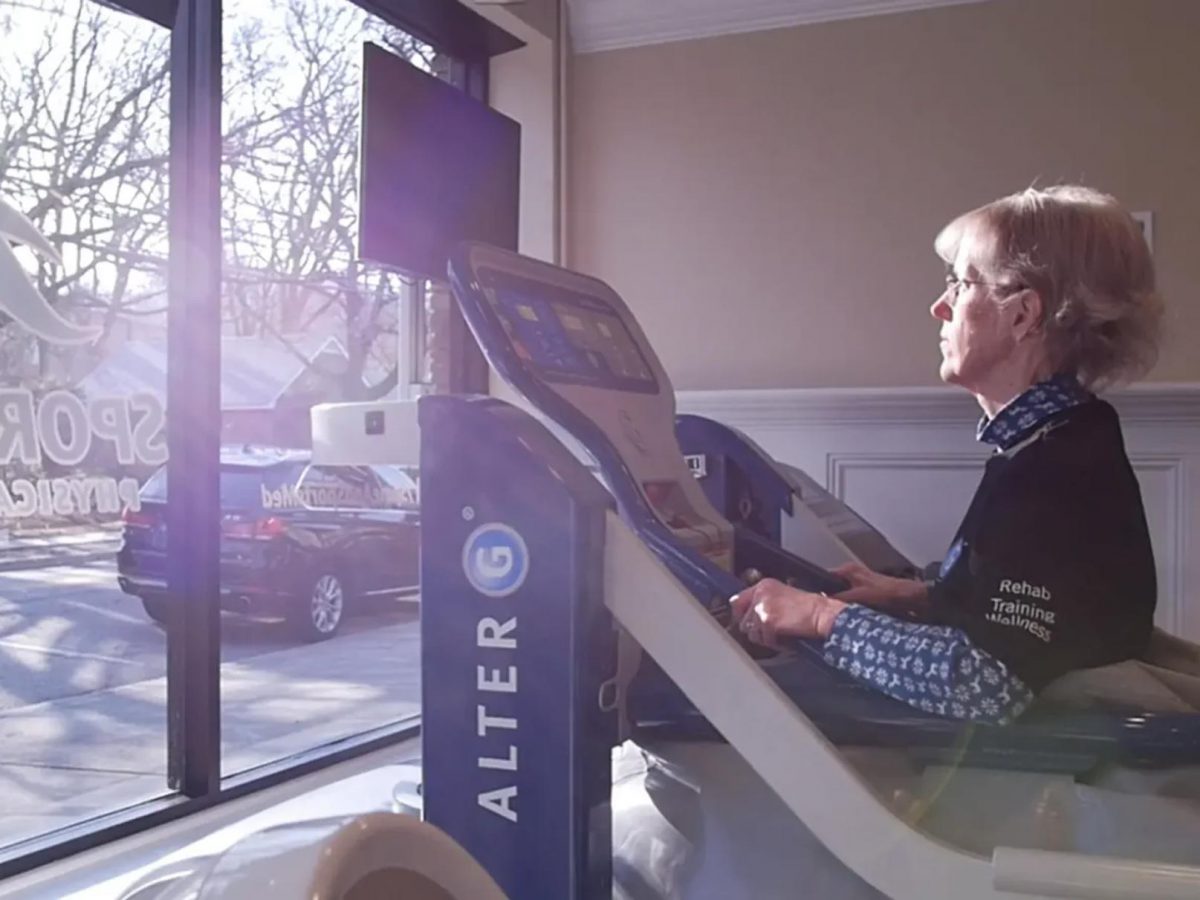
At SportsMed, we understand that the path to recovery from neurological conditions can be challenging. Our specializations in Strength Training, Balance Conditions, Nerve Damage, and Sciatica help us create personalized treatment plans for our patients. What truly sets us apart is our one-on-one approach, as we believe every patient deserves our undivided attention and care to help them get back to their desired lifestyle.
When you first visit us, you’re not just another patient. Our physical therapists, specializing in neurological rehab, will carefully review your doctor’s recommendations, if available, and conduct a thorough examination of your current condition. This includes understanding your rehabilitation process to date, assessing your current strength, and your range of motion and pain levels.
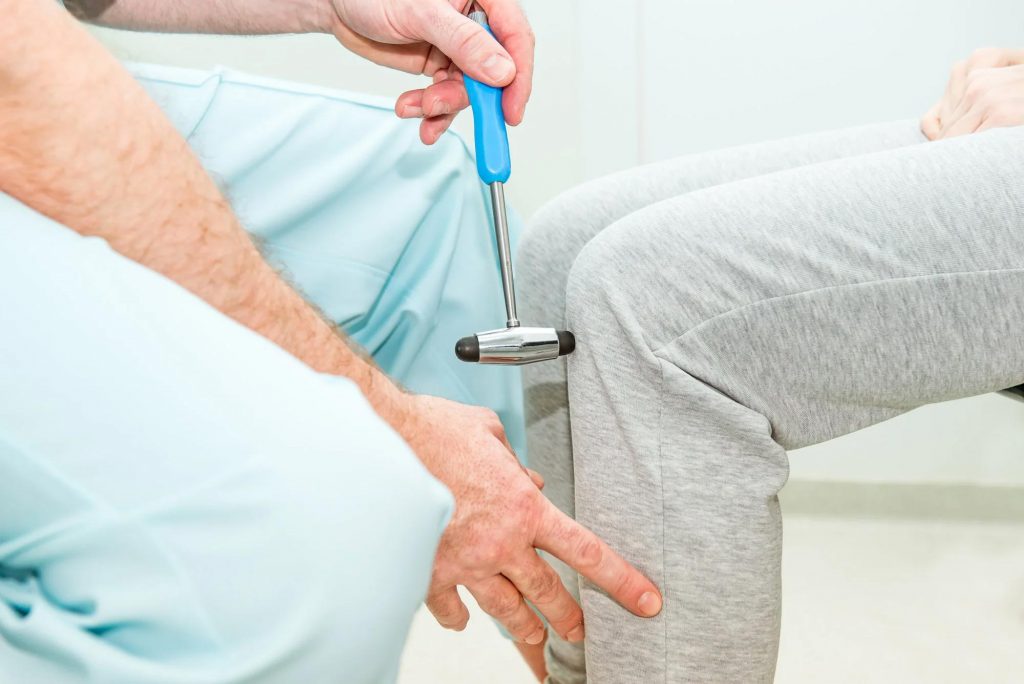
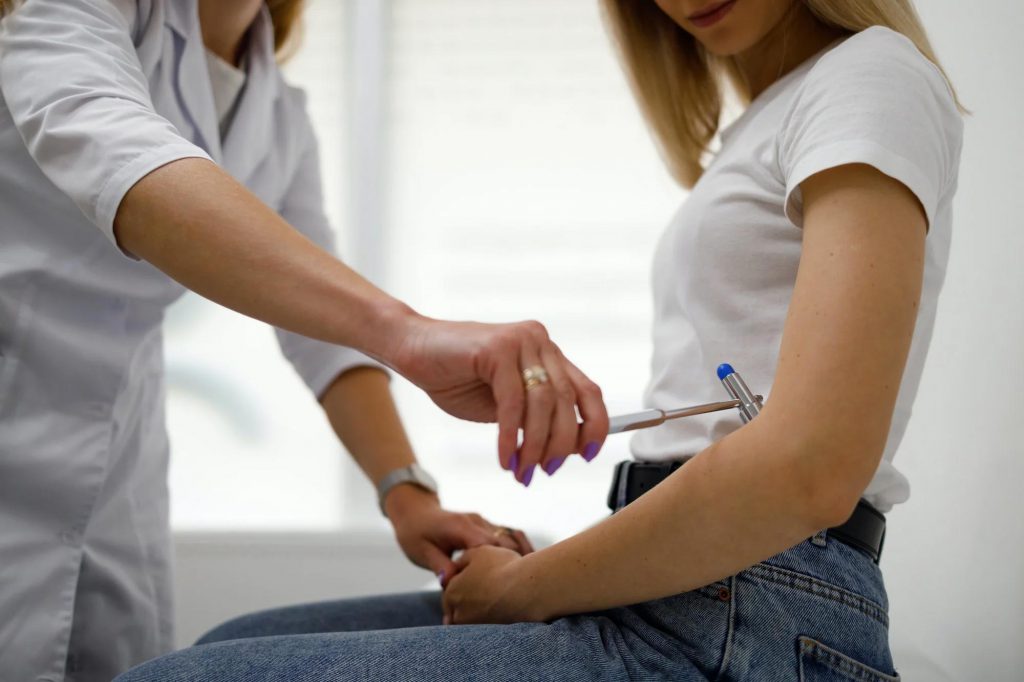
Post-assessment, your physical therapist will discuss with you a detailed treatment plan, considering your recovery timeline and what to expect throughout your therapy. Your understanding and comfort with the treatment plan are vital, hence you’re encouraged to ask as many questions as needed.
Among our top-notch rehab equipment is the AlterG Anti-Gravity Treadmill, a revolutionary machine designed by NASA, providing a safe and controlled environment for gait training. The treadmill lessens the body weight’s impact on your lower extremities, mirroring the effects of pool therapy, which can immensely help improve and strengthen your gait.
We have these treadmills in several locations including Ridgewood/HoHoKus, Glen Rock, Fair Lawn, Englewood, Wayne, and Montclair. More locations like Jersey City will soon be equipped with this amazing technology.
Vestibular Rehabilitation Therapy is a specialized exercise-based program that seeks to alleviate the effects of inner ear deficits by promoting compensation within the central nervous system. If you experience vertigo, dizziness, unsteadiness, or a spinning sensation, these symptoms often trace back to the vestibular system in your inner ear, and VRT is one of the most effective non-invasive treatments available.
This therapeutic approach is useful for a range of vestibular issues, including Benign Paroxysmal Positional Vertigo (BPPV), balance disorders, inner ear disorders, post-concussion syndrome, Meniere’s Disease, and Acoustic Neuromas. The central premise of VRT revolves around retraining the brain to effectively process and coordinate signals from the vestibular system with visual and proprioceptive information.
Vestibular rehabilitation is not a one-size-fits-all treatment; it is tailored to the specific disorder causing your symptoms. Conditions we commonly address include:
Because dizziness and balance problems can significantly disrupt daily life, effective treatment can be life-changing. You may also benefit from our dedicated gait and balance training program, which pairs naturally with vestibular care.
In vestibular therapy, patients are first evaluated by qualified physical or occupational therapists. The evaluation process begins with a comprehensive review of the patient’s medical history. Therapists also observe and measure various parameters like posture, balance, gait, and compensatory strategies. Depending on the patient’s symptoms, eye-head coordination tests could also be incorporated into the evaluation.
Following the assessment, therapists develop a personalized treatment plan including targeted head, body, and eye exercises carried out both during therapy sessions and at home. The overarching goal of vestibular therapy is to desensitize the patient’s balance system to movements that provoke symptoms, while simultaneously promoting increased activity and exercise at home.
Beyond vestibular care, SportsMed provides comprehensive neurological rehabilitation. Our specializations in Strength Training, Balance Conditions, Nerve Damage, and Sciatica help us create personalized treatment plans for our patients. Neurological rehabilitation focuses on helping the nervous system and the muscles it controls work together again.
What truly sets us apart is our one-on-one approach, as we believe every patient deserves our undivided attention and care to help them get back to their desired lifestyle. Make an appointment whenever you are ready to begin.
Our physical therapists specializing in neurological rehab will carefully review your doctor’s recommendations and conduct a thorough examination of your current condition. This includes understanding your rehabilitation process to date, assessing your current strength, and evaluating your range of motion and pain levels.
Post-assessment, your physical therapist will discuss a detailed treatment plan, considering your recovery timeline. If you may be able to start without a physician referral, our Direct Access information explains your options.
Among our top-notch rehab equipment is the AlterG Anti-Gravity Treadmill, a revolutionary machine designed by NASA, providing a safe and controlled environment for gait training. The treadmill lessens the body weight’s impact on your lower extremities, helping improve and strengthen your gait.
We have these treadmills in several locations including Ridgewood/HoHoKus, Glen Rock, Fair Lawn, Englewood, Wayne, and Montclair. Check our locations page for the latest list. Simply make an appointment to get started.
Vestibular therapy (VRT) is used to relieve vertigo, dizziness, and balance problems caused by inner ear deficits. It treats conditions such as BPPV, Meniere’s Disease, inner ear disorders, post-concussion syndrome, and Acoustic Neuromas by retraining the brain to compensate for faulty vestibular signals.
VRT uses targeted head, body, and eye exercises to desensitize your balance system to movements that provoke symptoms while promoting activity at home. Over time, the brain learns to coordinate signals from the inner ear with vision and proprioception, reducing dizziness and improving balance.
Vestibular therapy focuses specifically on inner ear and balance disorders, while neurological rehabilitation addresses broader nervous system conditions such as strength deficits, nerve damage, and sciatica. At SportsMed, both are delivered with a one-on-one approach as part of our physical therapy services.
You will be evaluated by a qualified physical or occupational therapist who reviews your medical history and measures posture, balance, gait, and compensatory strategies. Then a personalized treatment plan is created for you.
The AlterG is available at Ridgewood/HoHoKus, Glen Rock, Fair Lawn, Englewood, Wayne, and Montclair, with more locations coming soon. Check our locations page for the latest list.
Yes. Post-concussion syndrome is one of the conditions VRT is designed to treat. Our therapists use exercise-based techniques to help retrain your balance system and reduce lingering dizziness and unsteadiness.